I am often asked a question that consists of one word: how much? I understand it and I am happy to answer. But the answer is only honest when, alongside the figure, I explain what you are actually getting. That is what this article is for.
Fifteen years, not one purchase
When a puppy comes into a home, an object does not arrive. A being arrives that will be with you for fifteen years. It will accompany you through moves, jobs, joy and illness. In its first days it will cry because it misses its mother, and within weeks you will have become its world.
It is precisely this length that makes the decision worth thinking through. A price difference that seems large today spreads over fifteen years into a very small monthly sum. What does not spread out are the consequences if the decision was wrong.
What a pedigree is, and what it is not
I often hear a pedigree described as a piece of paper a pet does not need. Let us look at what it actually is.
A pedigree documents a dog's ancestors and so makes it possible to trace hereditary disease and to calculate the degree of relatedness. Without it, breeding is blind. It also means the parents passed a breeding assessment — a judgement of whether they are suitable for breeding at all, not only in appearance but in temperament.
A pedigree is therefore not a promise that a dog will never fall ill. Nobody can promise that. It is proof that someone checked what can be checked before mating, and that a trail exists along which breeding can be corrected.
Where there is no pedigree, there are usually no health tests of the parents, no temperament assessment and no information on relatedness. That does not mean such a dog will necessarily be unhealthy. It means nobody knows.
What happens before a puppy reaches you
This is the part a buyer rarely sees, so I like to describe it concretely.
Before mating: health examinations and tests of both parents, the breeding assessment, the search for a suitable sire — often abroad, which means travel and cost. Shows, which are a condition for breeding approval.
During pregnancy and whelping: veterinary supervision, high-quality nutrition, readiness for a caesarean section, which is common in toy breeds and not cheap, and sleepless nights beside the nest.
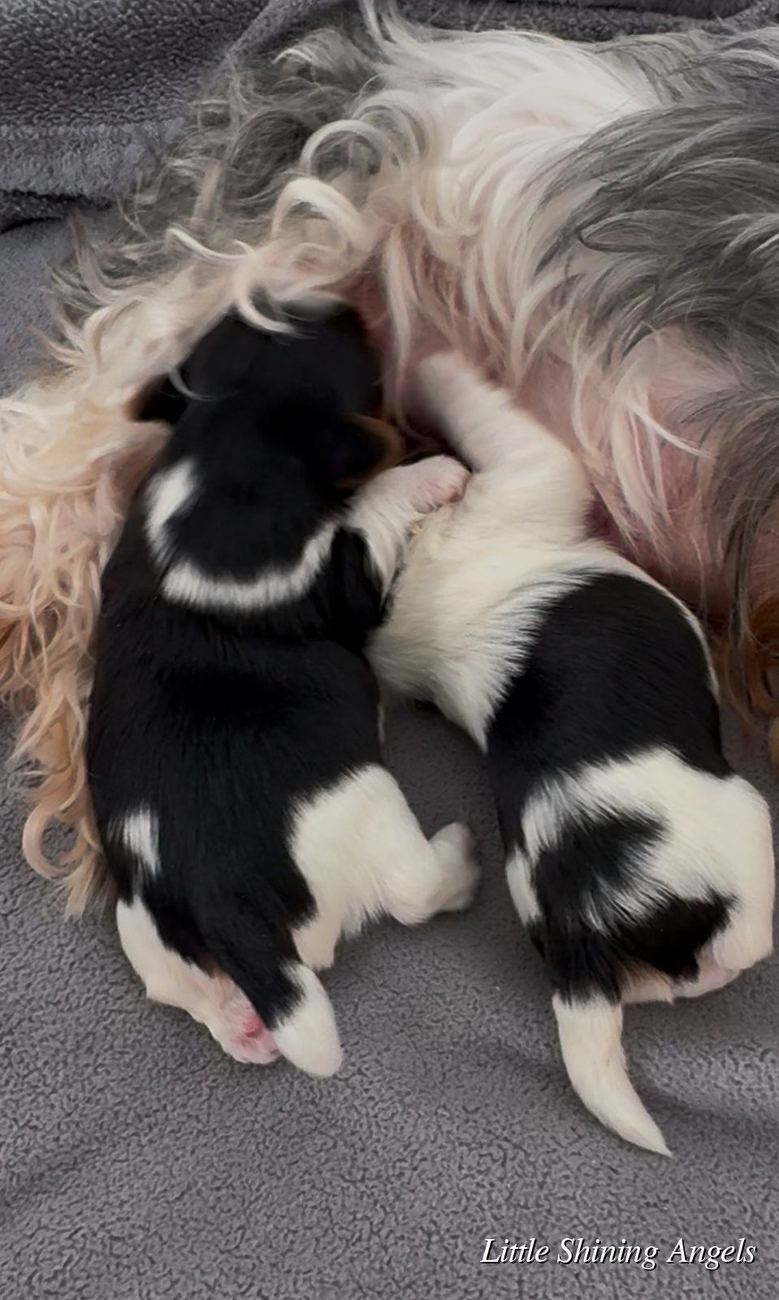
After whelping: keeping puppies warm, weighing, daily monitoring, vaccinations, worming, microchipping, the litter inspection, registration and passports.
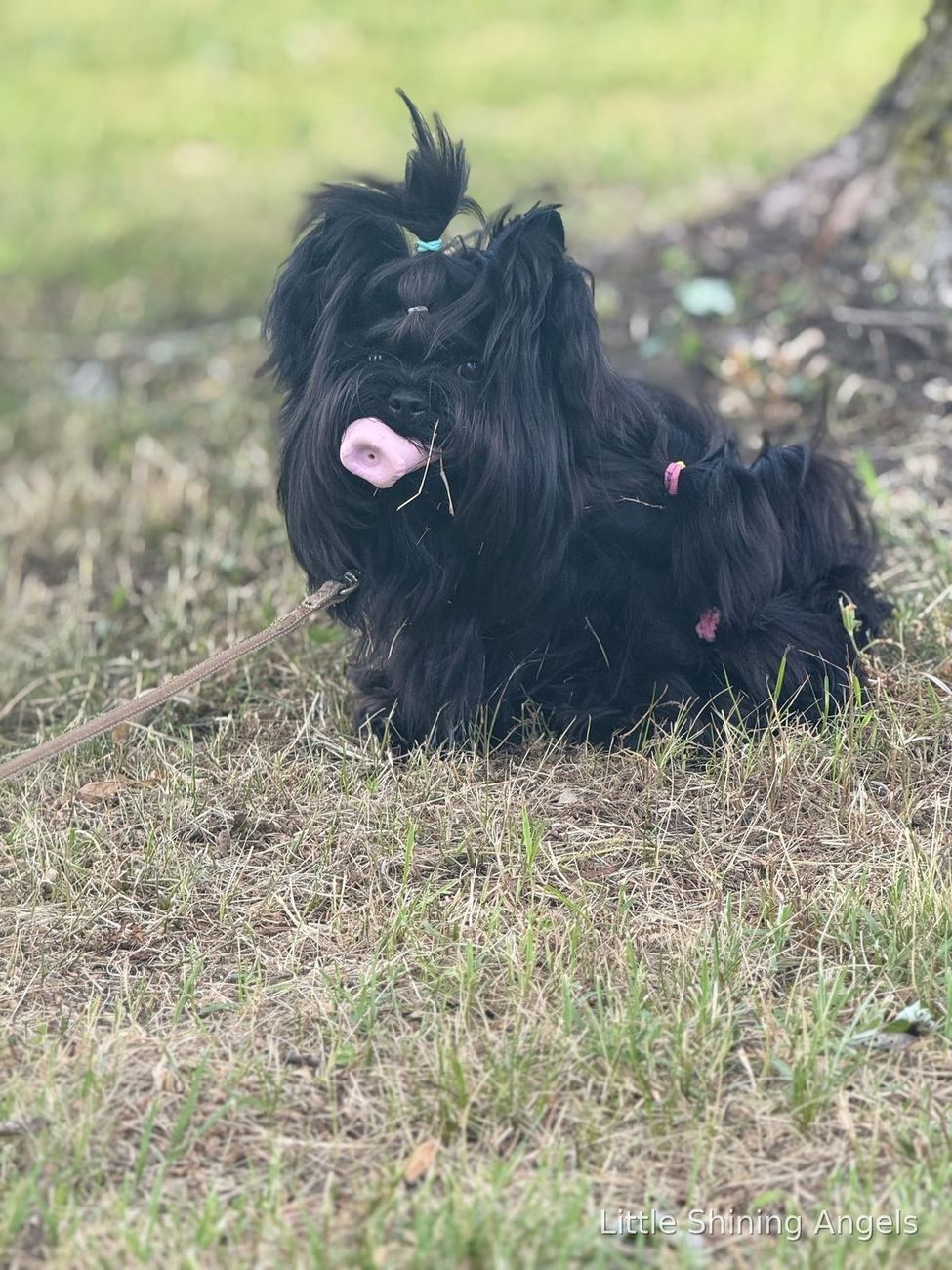
And throughout: washing, drying, cleaning, food, and above all time. Our puppies do not grow up in a kennel run but in the house among people, which means the work never stops.
Why our puppies stay longer
We do not place our puppies before they are three months old. This is not a marketing move but a decision with a reason.
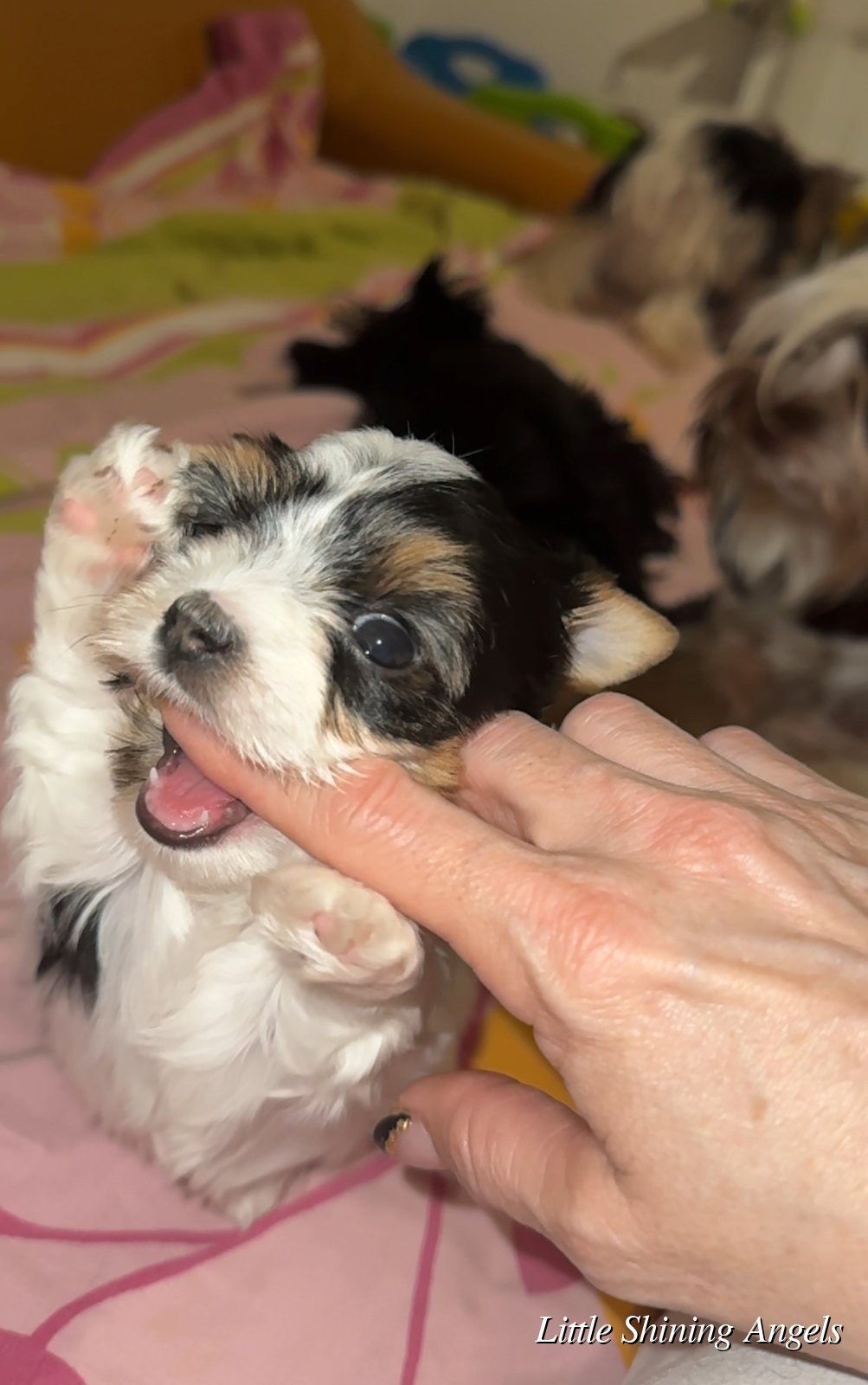
In the litter a puppy learns things a human cannot teach: how hard it may bite, how to talk to other dogs, where the limits are. At the same time we work with them every day during these weeks, accustoming them to sounds, touch and people. The puppy loses nothing and gains both: a proper dog education and an open attitude to the world.
This does of course mean we carry all the costs for longer. But the result is a dog that arrives in its new home independent, socialised and used to basic house training.
What you receive at handover
The puppy leaves with a passport, a pedigree, completed vaccinations and worming, and a starter set of food and equipment so the transition is not abrupt.
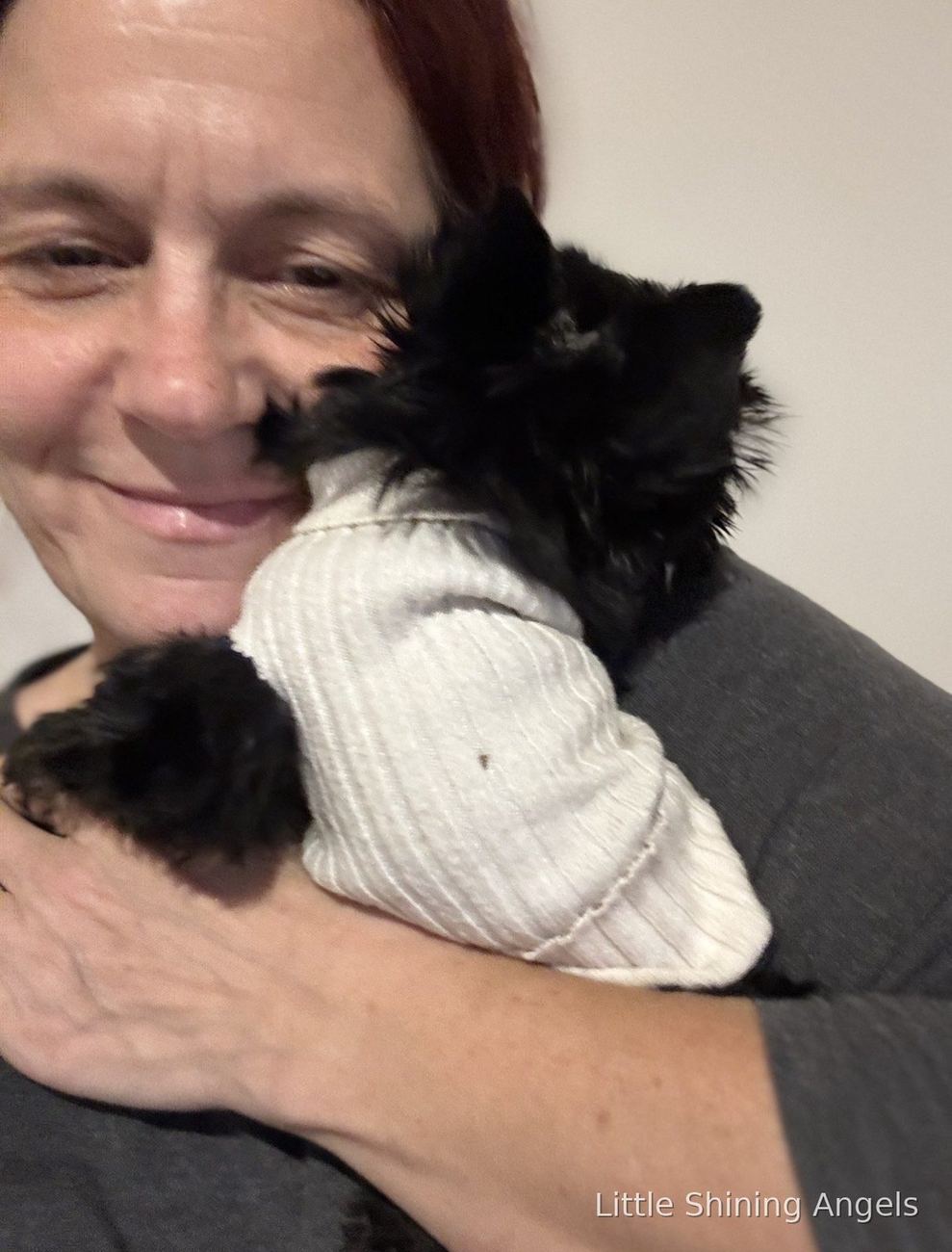
You also receive something not on any list: us. We are available for questions in the first week, the first year and every year after. If anything happens in life and you cannot keep the dog, we take it back. None of our dogs should ever end up in a shelter.
The decision is yours
I do not claim that every dog without a pedigree is a poor dog, and I do not claim that price is the only measure of quality. I claim only that it is worth knowing what a price covers and what it does not.
So I invite anyone considering a puppy: come, see how our dogs live, ask for the parents' documentation, ask anything at all. I will answer the uncomfortable questions too. And if you decide differently in the end, that is entirely fine — as long as you decide thoughtfully.
Literature and sources
Fédération Cynologique Internationale: International Breeding Rules and International Breeding Strategies.
Kennel Club of Slovenia (KZS): breeding regulations and conditions for pedigree registration (SPR).
Bannasch D et al. (2021). The effect of inbreeding, body size and morphology on health in dog breeds. Canine Medicine and Genetics 8:12.
Bergström A et al. (2006). Incidence and breed predilection for dystocia and risk factors for cesarean section. Veterinary Surgery 35(8):786–791.
Breeding practice of the Little Shining Angels kennel.
This text is based on current professional knowledge and on our kennel's experience. It does not replace consultation with a veterinarian or cynologist.