Giardia is one of the most common causes of long-lasting digestive problems in dogs, especially puppies. The name sounds frightening, but if we understand what it is and how to handle it, it can be dealt with successfully.
Important note: this text is of a professional and informative nature and does not replace veterinary care. Every dog is an individual. At the slightest doubt, or at any sign of illness, always call your veterinarian.
Here we explain simply what giardia actually is, how a dog gets infected, how to recognise it, how it is treated and, most importantly, how to prevent it returning again and again.
What giardia actually is
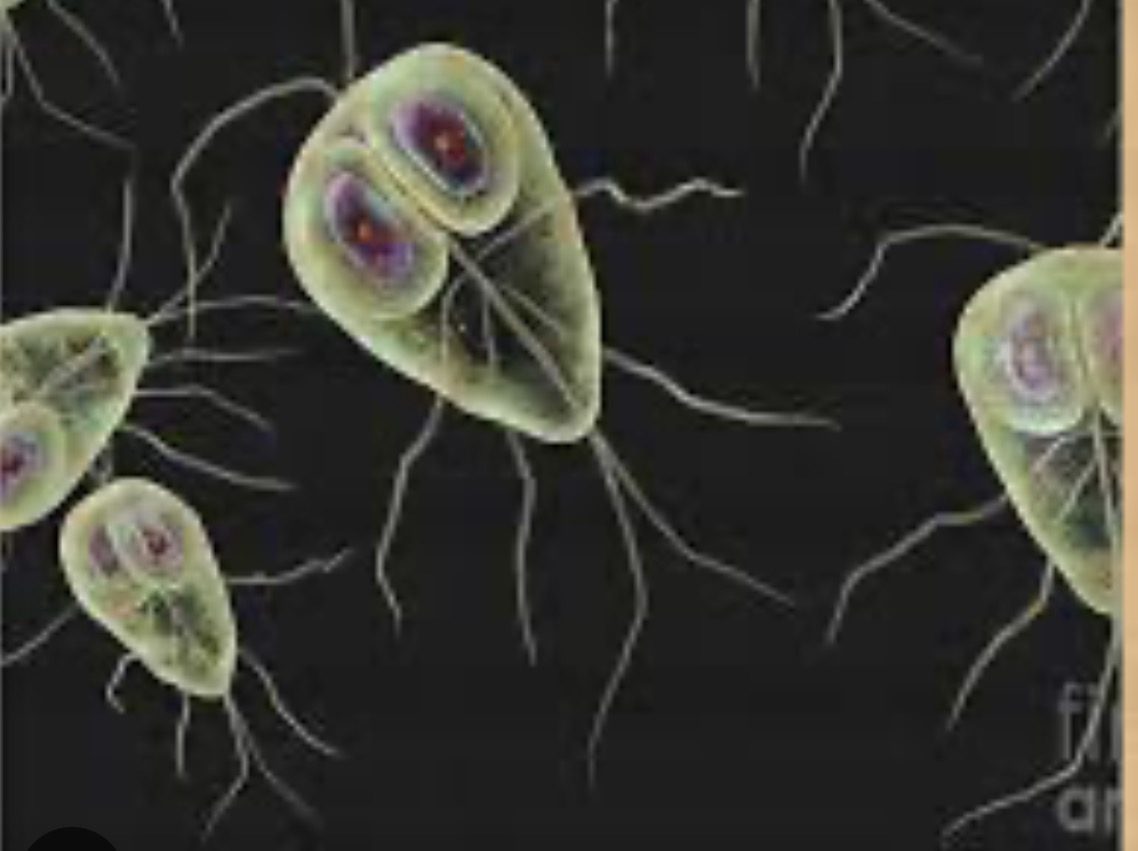
Giardia is not a bacterium but a tiny parasite, so small it can only be seen under a microscope. It settles in the dog's small intestine, where it attaches to the intestinal wall, feeds and multiplies. Because it is not a bacterium, ordinary antibiotics do not help against it; special medicines prescribed by a vet are needed.
The parasite occurs in two forms. One is the living form that lives in the intestine. The other is a kind of hard-shelled capsule that is passed in the faeces and is extremely hardy. It is this second form that makes giardia so difficult and stubborn to clear from the environment.
Where it lingers and how long it survives
Here is the key worth understanding. Giardia loves moisture and cold. In damp, cold soil, in puddles, streams and standing water, those hardy capsules can survive for weeks or even months. This means infection often does not come directly from another dog, but from a contaminated environment.
Most often a dog gets infected by drinking water from puddles or streams, licking grass or soil, rummaging in other dogs' faeces or licking itself. The capsules readily cling from faeces to the hair around the tail, and from there the dog licks them up during grooming and swallows them again.
Is it more common in dogs or cats?
Giardia occurs in both dogs and cats, and in wild animals too. Still, it is more common in dogs, mainly because dogs rummage in the soil more, drink from puddles and explore with their muzzle. Cats, which are cleaner and go out less, get infected less often.
It is also worth knowing that giardia appears more often where many animals live in a small space and where the environment is damp, for example in overcrowded breeding and mass rearing. In a tidy, dry and clean environment the risk is significantly lower.
How to recognise it
Many an adult, healthy dog can be infected without any problems at all. When signs do appear, most often in puppies, they are typically these. Prolonged or recurring diarrhoea; the stool is often mushy, lighter in colour, greasy-looking and with a very unpleasant smell. Sometimes there is mucus or a trace of blood in the stool.
Despite a normal or even increased appetite, a dog may lose weight, because the damaged intestine absorbs nutrients poorly. Occasionally vomiting, a bloated tummy and poorer coat quality join in.
How it is treated
Because the signs resemble other digestive problems, the vet confirms the infection by examining the stool. It is important to collect a sample three days in a row, as the capsules are not shed equally with every stool, and a single sample can miss the infection.
Treatment usually involves medicines prescribed by the vet, given for several days in a row. In addition we help the intestine with good probiotics and easily digestible, low-fat food that does not burden the damaged lining.
How to beat it for good
This is the most important part. If we cure only the dog but do not clean the surroundings, the dog will re-infect itself right after treatment ends, when it licks its paws or coat. So the environment must be dealt with at the same time as treatment.
It is good to bathe the dog at the start and especially on the last day of treatment, to wash off the clinging capsules from the coat, particularly around the anus and hind paws. Always pick up faeces immediately and throw them in the bin; do not leave them in the garden. Wash toys, bowls and bedding at a high temperature, at least sixty degrees. Surfaces where the dog spends time are best cleaned with a steam cleaner, as high heat destroys the capsules.
And because giardia loves moisture, a dry environment is its greatest enemy. After cleaning, dry everything well, as capsules quickly perish when dry.
Is it dangerous to people?
Giardia can theoretically pass from animals to humans, but in practice this is relatively rare, as dogs mostly carry canine variants of the parasite that are not particularly dangerous to people. Even so, consistent hygiene matters while treating an infected animal. Thorough hand-washing after every contact with the dog or after cleaning its surfaces is the simplest and most effective protection, especially for children.
References and sources
Merck/MSD Veterinary Manual: Giardiasis in Dogs and Cats.
ESCCAP (European Scientific Counsel Companion Animal Parasites), Guideline 6: Control of Intestinal Protozoa in Dogs and Cats.
Companion Animal Parasite Council (CAPC): Giardia.